Buyer's Guide 2026

Aerobic Fermentor vs Poultry Manure Dryer

A side-by-side comparison for layer and broiler farms. Choosing between aerobic fermentation and drying equipment depends on your climate, environmental compliance requirements, and the end-product quality you need.

View the Comparison Table Contact Sales Manager Bob
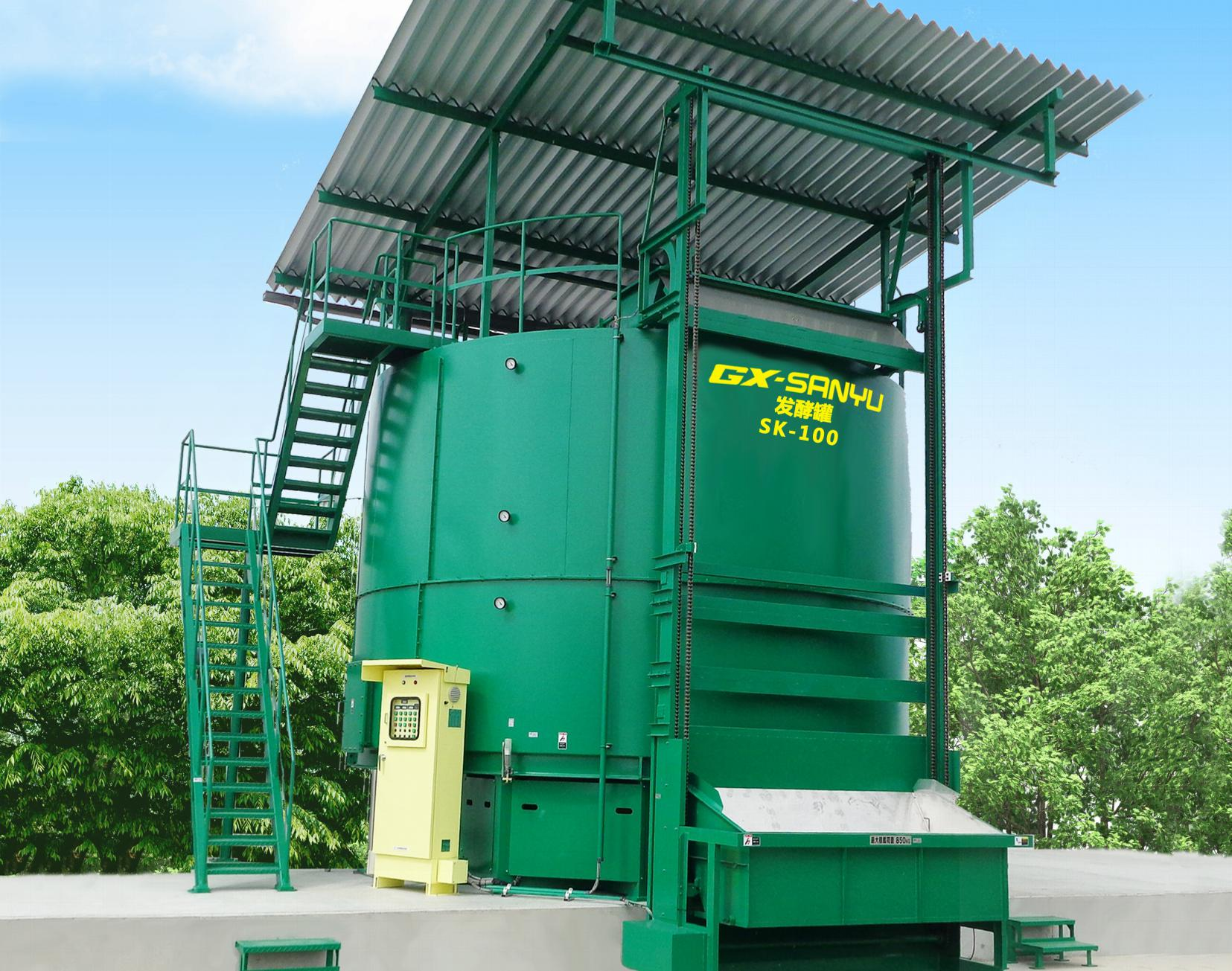
GX-SANYU 11FFG-100 intelligent aerobic fermentor for poultry manure treatment
Side-by-Side Analysis

Aerobic Fermentor vs Dryer — The Full Comparison

For poultry farms choosing between an aerobic fermentor and a manure dryer, we recommend evaluating these seven dimensions before investing.

Recommended for Most Farms

Aerobic Fermentor (Biological)

A complete waste-to-fertilizer solution for large-scale poultry operations.

  • Produces stabilized organic fertilizer safe for direct field application
  • Kills pathogens, eggs, and weed seeds via 60-80°C fermentation
  • Closed, odor-controlled system — low secondary pollution
  • Year-round operation in any climate thanks to insulated tank design
  • Handles raw 60-70% moisture manure directly
Faster Throughput

Poultry Manure Dryer (Thermal)

A fast physical dehydration solution for farms prioritizing volume reduction.

  • Reduces moisture to 30% below in 48 hours
  • Output is dried raw manure — not stabilized fertilizer
  • No sterilization — pathogens and weed seeds remain active
  • Odor and dust emissions require additional mitigation
  • Efficiency drops in humid / high-temperature climates
Detailed comparison of seven key dimensions between aerobic fermentor and poultry manure dryer
Comparison Dimension Aerobic Fermentor (Biological) Poultry Manure Dryer (Thermal)
Core Principle Biological fermentation. Uses beneficial microbes at high temperature (60-80°C) to decompose organic matter into stabilized humus. Tail-gas drying. Physically dehydrates poultry manure through evaporation using waste heat from combustion.
Treatment Cycle 7-15 days for complete harmless treatment and composting. Typically 48 hours. Moisture content drops from 65-80% to below 30%.
Inlet Moisture Handles raw manure at 60-70% moisture directly. Requires pre-dried material — moisture must be below 60% before feeding.
Final Output Fully stabilized, high-quality organic fertilizer. Nutrients (N, P, K) are readily absorbed by crops. Safe for direct application. Dried poultry manure. Unfermented organic matter — cannot be directly absorbed by plants. Direct field application causes "seedling burn". Requires further composting.
Sterilization & Harmlessness Continuous 60-80°C fermentation for 5-7 days effectively kills most pathogens, parasite eggs, and weed seeds. Drying at ambient temperature does NOT eliminate pathogens, eggs, or weed seeds. Material remains hazardous.
Environmental Performance Closed system with dedicated deodorization. Waste gas is treated before discharge — low secondary pollution risk. No deodorization unit. Drying process releases strong odors and dust. Significant impact on surrounding environment.
Climate Adaptability Tank insulation and auxiliary heating enable stable operation year-round in both high and low temperature climates. Strongly affected by ambient conditions. In humid southern climates, high air humidity significantly reduces drying efficiency.

Need Help Choosing the Right System for Your Farm?

Talk to Bob, our Sales Manager & Product Manager. Share your farm size, climate, and waste volume — he'll recommend whether the GX-SANYU 11FFG-100 Aerobic Fermentor is the right fit, and share specifications, pricing, and global shipping details.

Contact Sales Manager Bob on WhatsApp